

1918 — The Year of Historic Unification
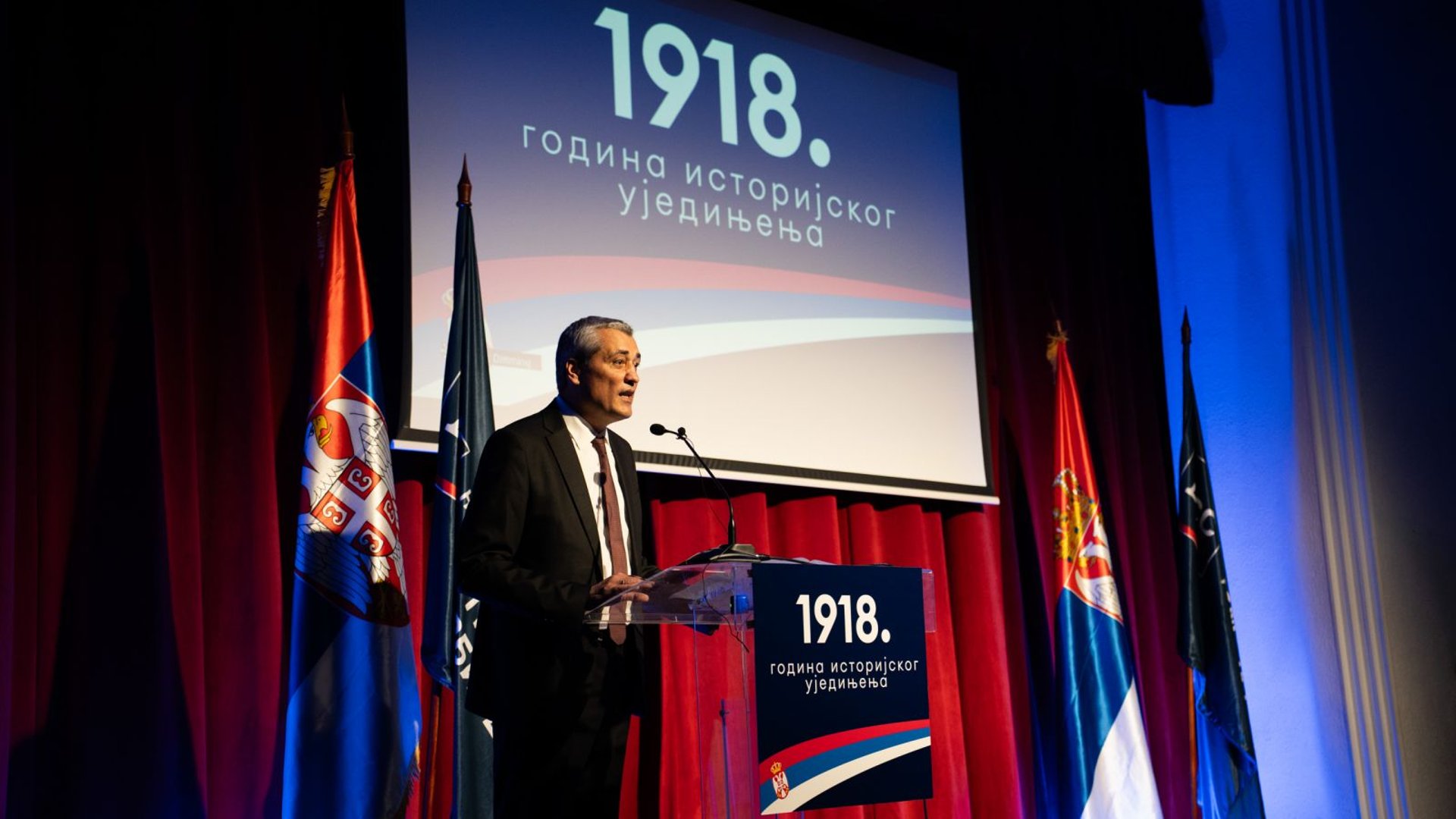
The President of the New DSS, Miloš Jovanović, stated this evening that “our national ambition should be built in the image of the golden era of Serbian history, from 1804 to 1918.”
ПРЕПОРУЧУЈЕМО
12/2/20252 min read
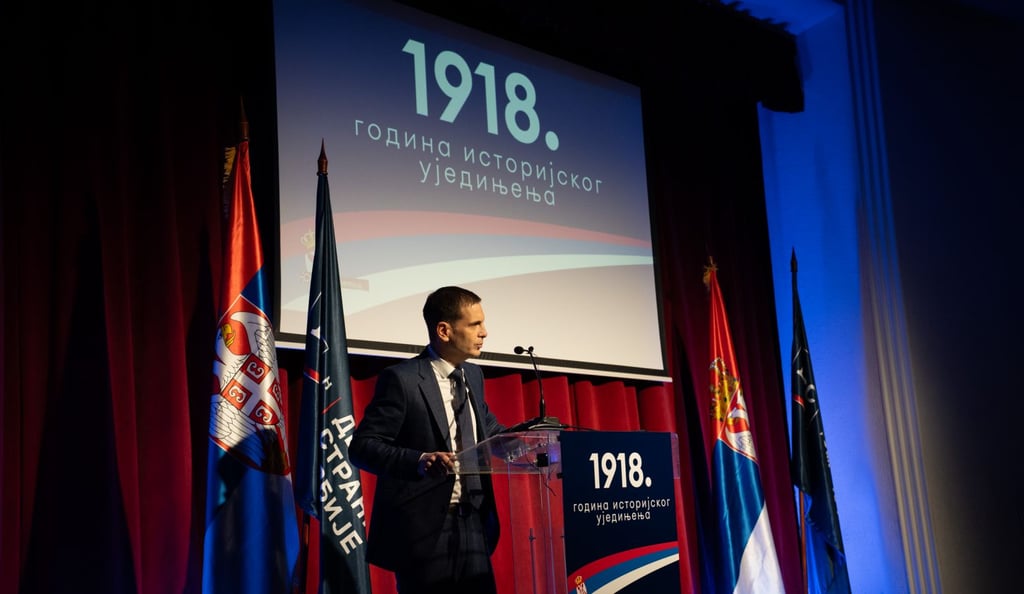
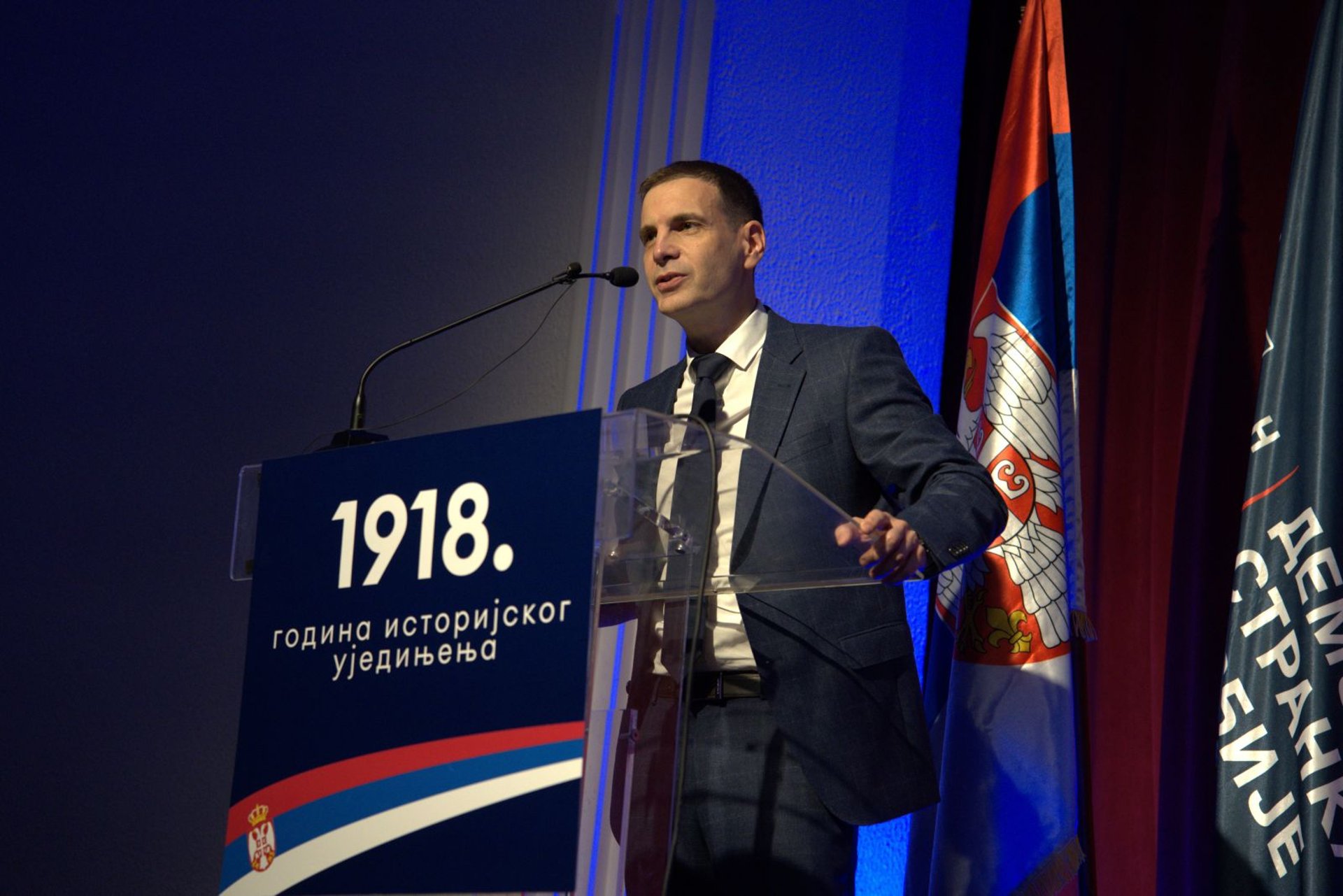
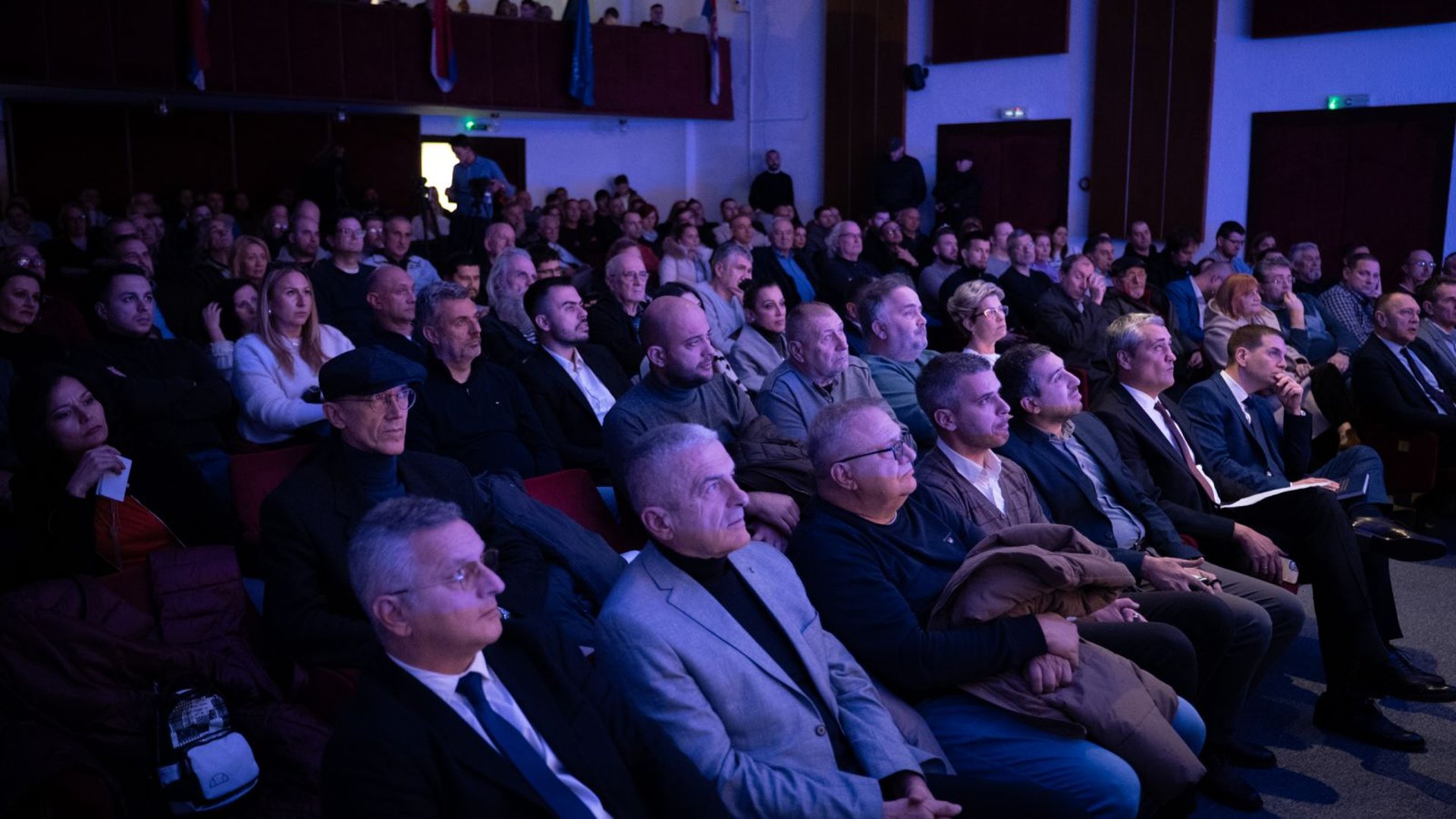
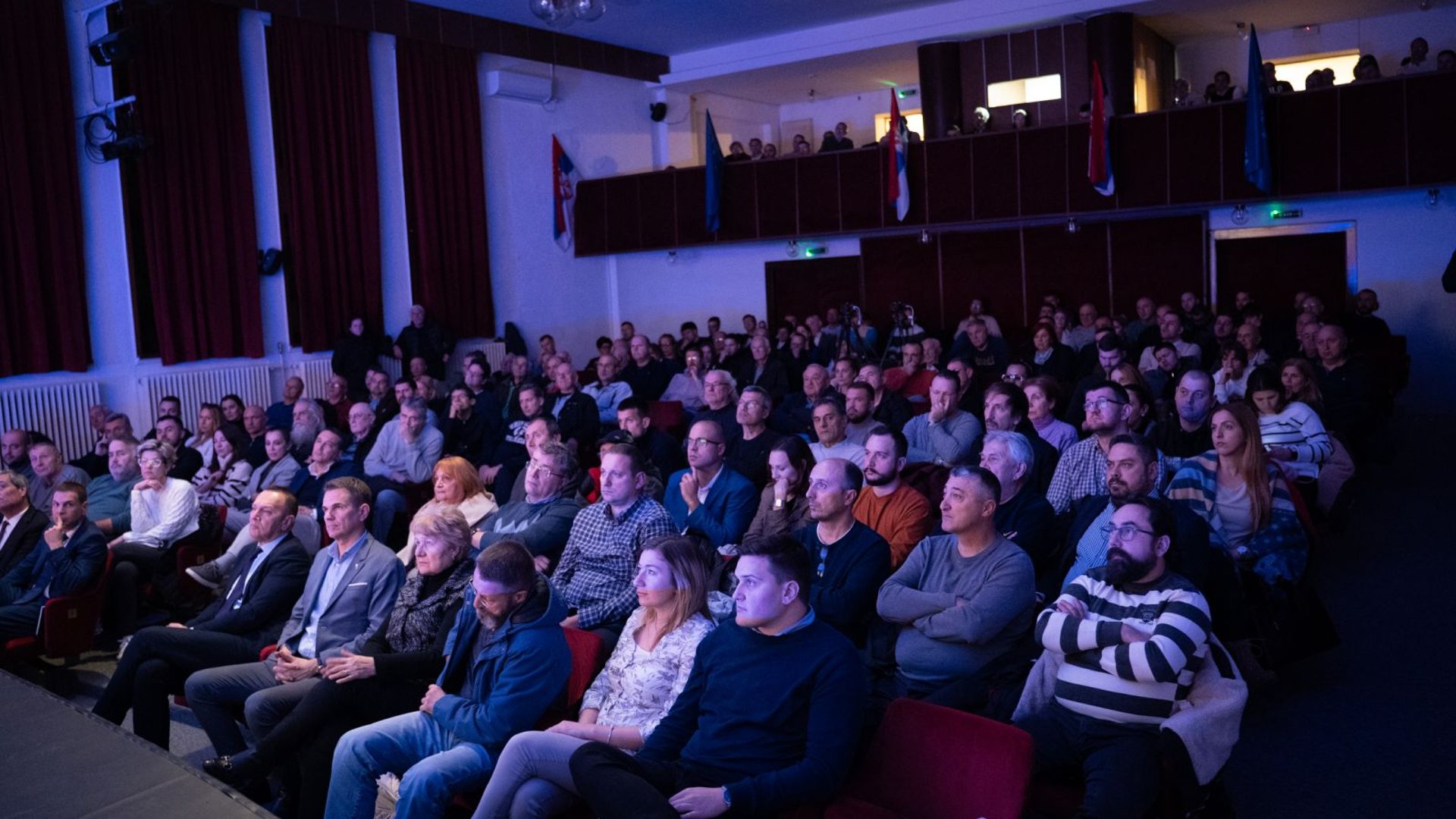
At a ceremonial event of the New DSS in Novi Sad, held to mark the 1918 unification of Srem—and later Baranja, Bačka, and Banat—with the Kingdom of Serbia, Miloš Jovanović described these as “historic dates and a historic month for our nation.”
He recalled that, during the same period, the Great National Assembly in Podgorica decided to unconditionally unite Montenegro with Serbia, completing the process of forming and expanding the modern Serbian state. “These dates serve as a guidepost, but also as a warning for our people,” Jovanović noted.
He argued that “supranational integrations have brought nothing good to the Serbian people, as they have repeatedly resulted in national disintegration.”
Commenting on current European integration, he stressed that Serbia lacks any serious public debate on the matter and stated: “Classical European values no longer exist—today, these are the values of sexual minorities. Moreover, this is a civilization in decline. We must ensure that we do not drag ourselves into its downfall, nor allow our capital to be placed outside the borders of our own state.”
Miloš Tubić, President of the New DSS Provincial Committee in Vojvodina, reminded attendees that in 1918 the people of Srem first declared in Ruma that they would “first put on the Serbian shirt, and only then any other coat,” referring to the future South Slavic state. Soon after, the assembly of Serbs and other Slavic peoples of Baranja, Bačka, and Banat in Novi Sad reached the same decision.
He highlighted that the Novi Sad Assembly—opened by Greek-Catholic priest Jovan Hranilović and presided over by Rusyn Ignjat Pavlas—allowed women to vote for the first time. He emphasized that when the Serbian Army entered Vojvodina that year, no Hungarians or Germans were killed, no religious buildings destroyed, and no villages burned.
Tubić noted that Serbian unification would not have been possible without the 1595 Banat Uprising, led by Bishop Teodor Nestorović, nor without the influence of historical figure Svetozar Miletić, who did not live to see freedom.
Historian Nemanja Dević concluded that the “idea of Serbian Vojvodina enriched Serbian national history” and that the people of Serbia accepted the institutional legacy built for decades by their compatriots across the river—such as the Karlovci Metropolitanate and Matica Srpska—demonstrating the inclusiveness and strength of the Serbian national idea.
He added that when discussing major national goals, Serbs must avoid complacency as well as fatalism: “Great historical moments require demographic, political, economic, and democratic preparedness.”
© 2025 New Democratic Party of Serbia
NEW DEMOCRATIC PARTY OF SERBIA
Our choice is perfectly clear: a political struggle for the democratic transformation of Serbia. This means that Serbia must be built on the foundations of a democratic parliamentary system.
Loyalty to this principle represents the essence of the Democratic Party of Serbia. Political beliefs come above all else for us — above leaders, above interests, and above day-to-day politics.